Buy projekthouse.eu ?
We are moving the project
projekthouse.eu .
Are you interested in purchasing the domain
projekthouse.eu ?
domain@kv-gmbh.de · 0541-91531010
Buy projekthouse.eu ?
Do wild animals eat?
Yes, wild animals do eat to survive. They hunt, forage, scavenge, or graze for food depending on their species and habitat. Their diet typically consists of a variety of plants, fruits, insects, small animals, or other sources of nutrition that provide them with the energy and nutrients they need to thrive in the wild. **
Are they wild animals?
No, they are not wild animals. They are domesticated animals that have been raised and bred by humans for various purposes such as companionship, work, or food. Wild animals, on the other hand, live in their natural habitats and have not been domesticated or bred by humans. **
Similar search terms for Wild-About-Animals-10
Top-Angebote
Products related to Wild-About-Animals-10:
-
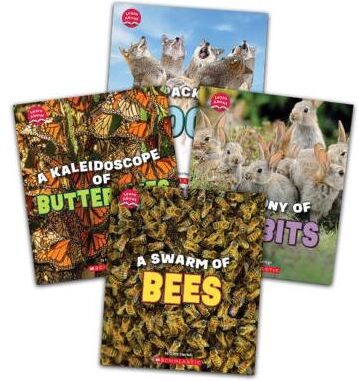
Learn About Animals Value PackWhether it is a group of wild mammals, birds, or even insects, there is a unique name to identify each specific animal group. Groups of bees, butterflies, rabbits, and dogs are the stars of this vibrant new set of LEARN ABOUT books that are packed...23,76 $*Shipping: 0,00 $Secure redirect to the provider
-
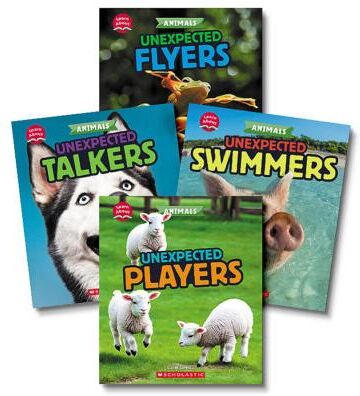
Learn About: Unexpected Animals Value PackThe natural world is filled with animals doing unexpected things! It is hard to believe, but orcas can talk, sloths can swim, some snakes can fly, and octopuses love to play. Each book in this vibrant new nonfiction series explores the unusual...22,99 $*Shipping: 0,00 $Secure redirect to the provider
-
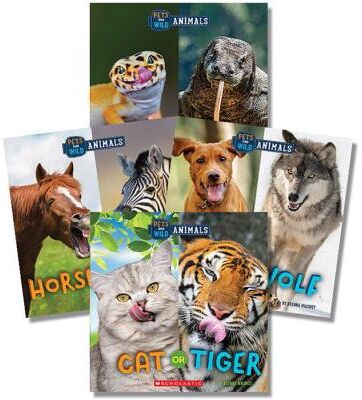
Wild World: Pets and Wild Animals Value PackABOUT THE SERIES: Do cats have anything in common with tigers? What about dogs and wolves, horses and zebras, or geckos and Komodo dragons? Discover the many ways in which how these animals look like, eat, care for their young, and survive are the...23,76 $*Shipping: 0,00 $Secure redirect to the provider
-
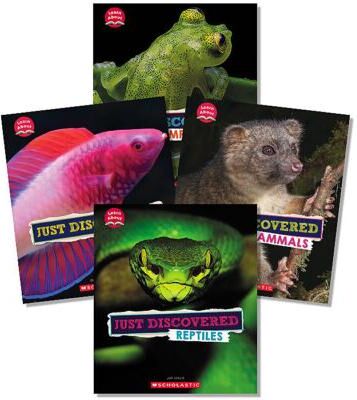
Learn About: Just Discovered Animals Value PackDid you know scientists discover thousands of new species every year? Some are even named after things in popular culture like the Wakanda fish (Black Panther) and the Salazar's pit viper (Harry Potter). This vibrant new set of Learn About books...23,76 $*Shipping: 0,00 $Secure redirect to the provider
-
Where do wild animals live?
Wild animals live in a variety of habitats such as forests, grasslands, deserts, mountains, wetlands, and oceans. Their natural habitats provide them with the food, shelter, and space they need to survive and thrive in the wild. **
-
Does light attract wild animals?
Light can attract wild animals in some cases. For example, insects are often drawn to light sources, which in turn can attract animals that feed on them. Additionally, some nocturnal animals may be curious about or attracted to artificial lights, while others may be disturbed or deterred by them. However, the impact of light on wild animals can vary depending on the species and the specific circumstances. Overall, the relationship between light and wild animals is complex and can have both positive and negative effects. **
-
Can wild animals be tamed?
Wild animals can be tamed to a certain extent, but it is important to remember that they are still wild at heart. Through training and conditioning, some wild animals can learn to interact with humans and perform certain behaviors. However, their natural instincts and behaviors can never be completely erased, and they may still pose a risk to humans. It is important to approach taming wild animals with caution and respect for their natural instincts. **
-
Can wild animals eat cooked meat?
Wild animals can eat cooked meat, but it is not their natural diet. Cooked meat lacks the nutrients and enzymes that wild animals need for optimal health. Feeding wild animals cooked meat can also lead to digestive issues and other health problems. It is best to let wild animals stick to their natural diet in order to thrive in their natural habitat. **

When are wild animals most active?
Wild animals are most active during the early morning and late evening hours, which is known as crepuscular activity. This is when they are typically hunting for food or engaging in social interactions. Some animals, like nocturnal species, are most active during the night, while diurnal animals are active during the day. The timing of their activity is often influenced by factors such as temperature, food availability, and predator avoidance. **
How do wild animals heal themselves?
Wild animals have evolved various natural mechanisms to heal themselves. They often rely on their instincts to seek out medicinal plants or minerals that can help with their healing process. Additionally, many wild animals have a strong immune system that enables them to fight off infections and heal from injuries. Some species also engage in behaviors such as grooming or resting to aid in their recovery. Overall, the ability of wild animals to heal themselves is a result of their adaptation to their environment and the natural resources available to them. **
Top-Angebote
Products related to Wild-About-Animals-10:
-
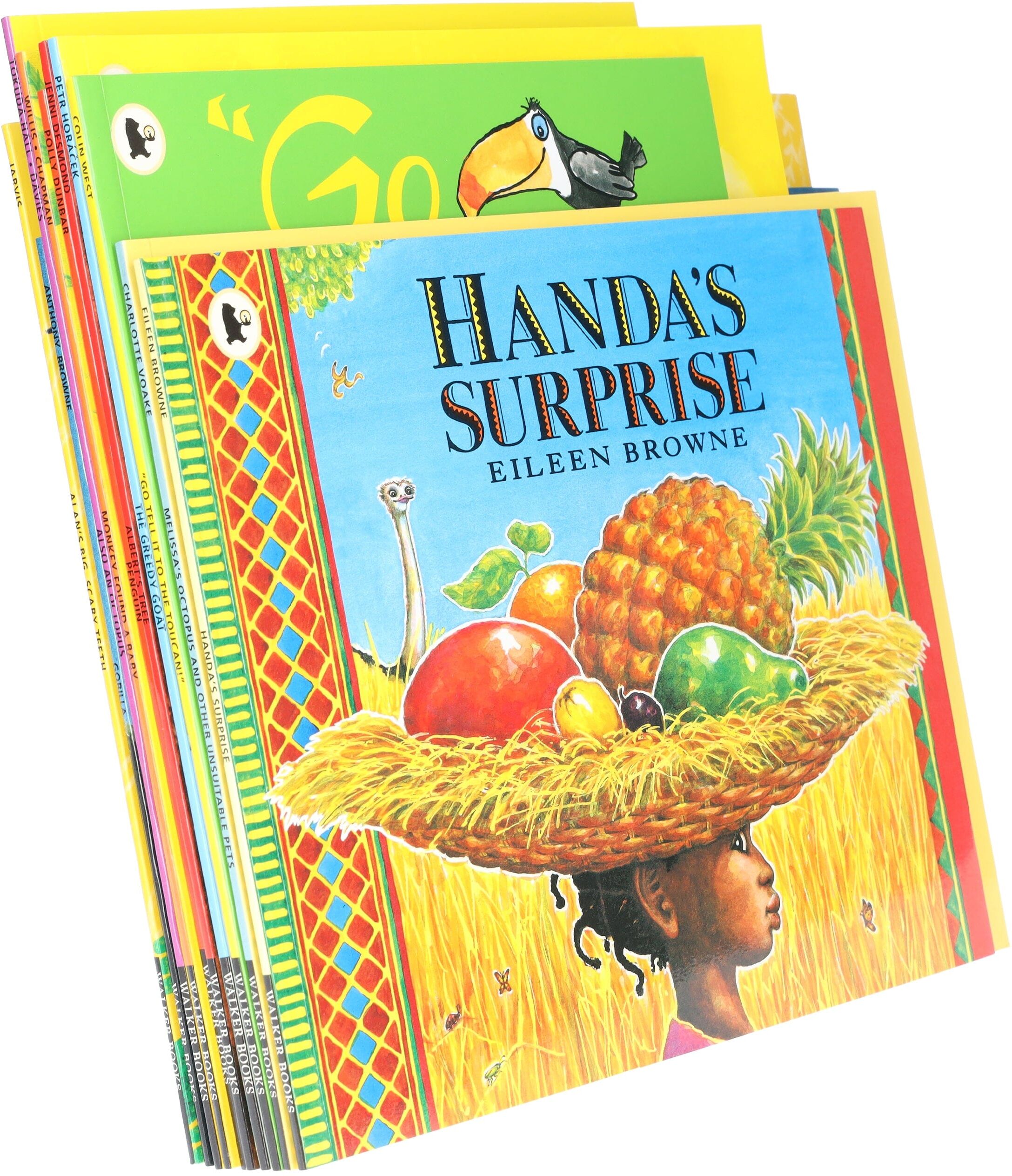
Wild About Animals 10 Children's Picture Books Collection - Ages 3-8 - Paperback Walker Books LtdLets go Wild About Animals with this fantastic picture books bundle! From The Greedy Goat to Alan's Scary Teeth, enjoy this amazing animal bundle of joy with lots of brilliant tales to explore at story-time! Included in this bundle: 1. Go Tell It To The Toucan! 2. Also An Octopus 3. Penguin 4. Monkey Found A Baby 5. Albert's Tree 6. The Greedy Goat 7. Gorilla 8. Melissa's Octopus and Other Unsuitable Pets 9. Alan's Big Scary Teeth 10. Handa's Surprise Description: Go Tell It To The Toucan! It's Jumbo the elephant's birthday – and what better way to celebrate than by having a jungle jamboree? All Jumbo has to do is tell the toucan and he'll tell everybody else. But where is the toucan? Jumbo can't find him, and nor can the tiger, the warthog, the hippo ... or anyone else! This lively, repetitive text builds up to a very satisfying twist in the tale, which is guaranteed to tickle even the most reluctant reader. Great fun to read aloud, this funny jungle story is perfect for younger readers developing their confidence. Also An Octopus how to build a story! First, a story needs a character. So why not a ukulele-playing octopus? And since this is a story, the octopus has to want something - maybe it dreams of travelling to faraway galaxies in a purple spaceship. But every character needs an obstacle to overcome, and when the octopus sets out to build its own spaceship out of glue, umbrellas, glitter and waffles…well, he doesn't have much luck. Could there be another character that could help? Penguin Ben couldn't be more delighted to find a penguin inside his present. “Hello, Penguin!” he says. Penguin says nothing. Ben tickles Penguin, he pulls his funniest face, he puts on a happy hat, sings a silly song and does a dizzy dance. “Can’t you talk?” says Ben. Penguin says nothing. It isn’t until a passing lion intervenes that Penguin finally speaks… and when he does, Ben discovers something that was really worth the wait. Monkey Found A Baby A bright and lively picture book packed full of jungle fun! Monkey found a baby, an itsy bitsy baby. Monkey found a baby beneath the banyan tree. When baby monkey spots a lion the trouble really starts in this rollicking read aloud rhyme that's perfect for sharing with little monkeys everywhere. Albert's Tree Waa! Waa! Waa! Albert's favourite tree won't stop crying. What can be the matter? How can the bear cheer up his old friend? A funny and charming picture book about making friends in the most unexpected places The Greedy Goat A funny, read-aloud farmyard tale that teaches colours and days of the week Goat has had enough of eating grass. She wants to try something different - the dog's food, the pig's potatoes and even the farmer's pants. But things go wrong in this hilarious, but cautionary, farmyard tale Gorilla Hannah loves gorillas and longs to see a real one. Unfortunately, her father is always too busy -- or too tired -- to take her to the zoo. But on the night before her birthday, something extraordinary...14,99 £*Shipping: 2,99 £Secure redirect to the provider
-
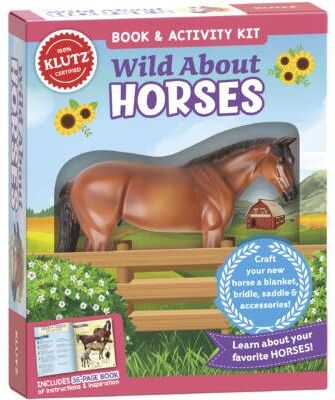
Klutz: Wild About HorsesLearn all the essentials of caring, loving, and riding horses-with your very own model horse. From what they eat to how they sleep, the photo-filled book covers everything a budding horse-lover wants to know about their favorite animal. Then, test...24,99 $*Shipping: 0,00 $Secure redirect to the provider
-
Learn About Animals Value PackWhether it is a group of wild mammals, birds, or even insects, there is a unique name to identify each specific animal group. Groups of bees, butterflies, rabbits, and dogs are the stars of this vibrant new set of LEARN ABOUT books that are packed...23,76 $*Shipping: 0,00 $Secure redirect to the provider
-
Learn About: Unexpected Animals Value PackThe natural world is filled with animals doing unexpected things! It is hard to believe, but orcas can talk, sloths can swim, some snakes can fly, and octopuses love to play. Each book in this vibrant new nonfiction series explores the unusual...22,99 $*Shipping: 0,00 $Secure redirect to the provider
-
Do wild animals eat?
Yes, wild animals do eat to survive. They hunt, forage, scavenge, or graze for food depending on their species and habitat. Their diet typically consists of a variety of plants, fruits, insects, small animals, or other sources of nutrition that provide them with the energy and nutrients they need to thrive in the wild. **
-
Are they wild animals?
No, they are not wild animals. They are domesticated animals that have been raised and bred by humans for various purposes such as companionship, work, or food. Wild animals, on the other hand, live in their natural habitats and have not been domesticated or bred by humans. **
-
Where do wild animals live?
Wild animals live in a variety of habitats such as forests, grasslands, deserts, mountains, wetlands, and oceans. Their natural habitats provide them with the food, shelter, and space they need to survive and thrive in the wild. **
-
Does light attract wild animals?
Light can attract wild animals in some cases. For example, insects are often drawn to light sources, which in turn can attract animals that feed on them. Additionally, some nocturnal animals may be curious about or attracted to artificial lights, while others may be disturbed or deterred by them. However, the impact of light on wild animals can vary depending on the species and the specific circumstances. Overall, the relationship between light and wild animals is complex and can have both positive and negative effects. **
Similar search terms for Wild-About-Animals-10
-
Wild World: Pets and Wild Animals Value PackABOUT THE SERIES: Do cats have anything in common with tigers? What about dogs and wolves, horses and zebras, or geckos and Komodo dragons? Discover the many ways in which how these animals look like, eat, care for their young, and survive are the...23,76 $*Shipping: 0,00 $Secure redirect to the provider
-
Learn About: Just Discovered Animals Value PackDid you know scientists discover thousands of new species every year? Some are even named after things in popular culture like the Wakanda fish (Black Panther) and the Salazar's pit viper (Harry Potter). This vibrant new set of Learn About books...23,76 $*Shipping: 0,00 $Secure redirect to the provider
-
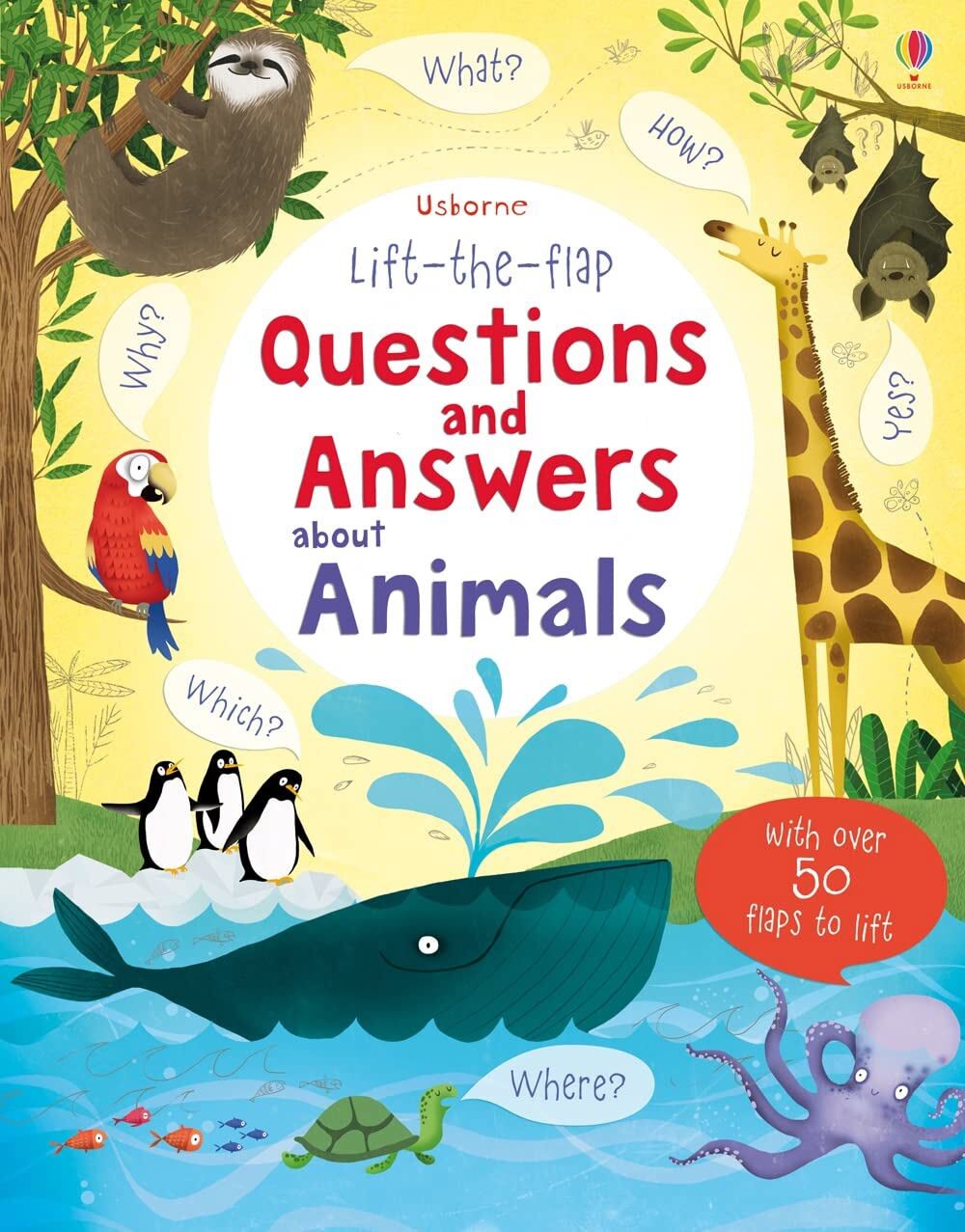
Lift the Flap Questions and Answers about Animals (Usborne Questions and Answers)This delightful book answers all kinds of animal questions that young children might ask, such as "where do fish sleep?", "do elephants have teeth" and "why do frogs jump?" Just lift the flaps to discover what, where, which, how and why! With entertaining illustrations and over 50 flaps to open.4,99 £*Shipping: 1,99 £Secure redirect to the provider
-
Can wild animals be tamed?
Wild animals can be tamed to a certain extent, but it is important to remember that they are still wild at heart. Through training and conditioning, some wild animals can learn to interact with humans and perform certain behaviors. However, their natural instincts and behaviors can never be completely erased, and they may still pose a risk to humans. It is important to approach taming wild animals with caution and respect for their natural instincts. **
-
Can wild animals eat cooked meat?
Wild animals can eat cooked meat, but it is not their natural diet. Cooked meat lacks the nutrients and enzymes that wild animals need for optimal health. Feeding wild animals cooked meat can also lead to digestive issues and other health problems. It is best to let wild animals stick to their natural diet in order to thrive in their natural habitat. **
-
When are wild animals most active?
Wild animals are most active during the early morning and late evening hours, which is known as crepuscular activity. This is when they are typically hunting for food or engaging in social interactions. Some animals, like nocturnal species, are most active during the night, while diurnal animals are active during the day. The timing of their activity is often influenced by factors such as temperature, food availability, and predator avoidance. **
-
How do wild animals heal themselves?
Wild animals have evolved various natural mechanisms to heal themselves. They often rely on their instincts to seek out medicinal plants or minerals that can help with their healing process. Additionally, many wild animals have a strong immune system that enables them to fight off infections and heal from injuries. Some species also engage in behaviors such as grooming or resting to aid in their recovery. Overall, the ability of wild animals to heal themselves is a result of their adaptation to their environment and the natural resources available to them. **
* All prices are inclusive of VAT and, if applicable, plus shipping costs. The offer information is based on the details provided by the respective shop and is updated through automated processes. Real-time updates do not occur, so deviations can occur in individual cases. ** Note: Parts of this content were created by AI.